Welcome to JIECHENG



Leave Your Message
Welcome to JIECHENG
When you're thinking about insulating your home, it can honestly feel a bit overwhelming trying to pick the right materials. I mean, there's so many options out there! As home improvement pro John Smith from Insulation Solutions puts it,Thermal Insulation Blankets can really help cut down on energy bills. These blankets aren’t just about saving you money—they also make your home way more comfortable, especially when the weather gets nasty.
Picture wrapping your house in a cozy shield against the elements—you know, keeping the heat in during winter and the cool air inside during summer. Sounds nice, right? But here’s the thing—not all Insulation Blankets are created equal. Some just don’t work as well as you'd hope, which leaves you wondering, 'Is this actually doing anything?'
In this article, we’re going to run through the top ten Thermal Insulation Blankets out there right now. Our goal is to help you pick the best ones for your home. Knowing what works—and what doesn’t—can make a huge difference when you’re trying to save energy and stay comfortable. Ultimately, taking the time to find the right materials is totally worth it—you want to make sure your investment really pays off in the long run.
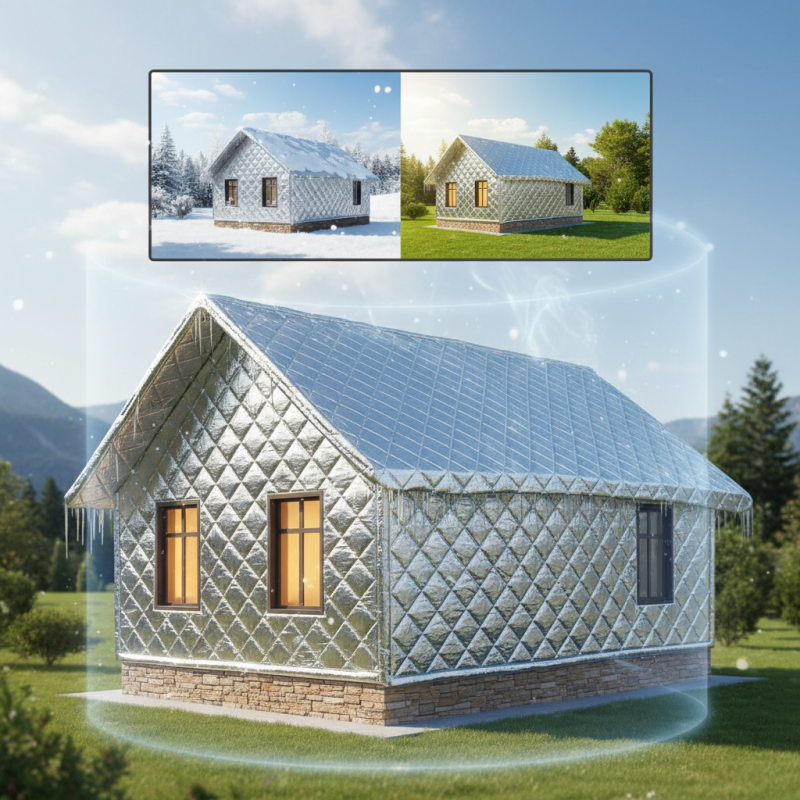
Thermal insulation blankets are designed to minimize heat transfer. They work by trapping air, which is a poor conductor of heat. Materials like fiberglass, polyester, and reflective films are common. According to the U.S. Department of Energy, thermal insulation can reduce energy costs by as much as 30%. This can significantly lower utility bills and improve home comfort.
When properly installed, these blankets create a barrier against temperature changes. They reflect radiant heat in summer and trap it during winter. However, installation can be tricky. Improper application may lead to gaps, diminishing effectiveness. Studies indicate that up to 20% of heating and cooling energy can escape through poorly insulated areas.
Many homeowners overlook these details. Material quality matters too; cheap options might not last. A report from the International Energy Agency points out that investing in quality insulation can yield better long-term savings. It emphasizes the importance of regular maintenance and checks to ensure insulation blankets remain effective over time.
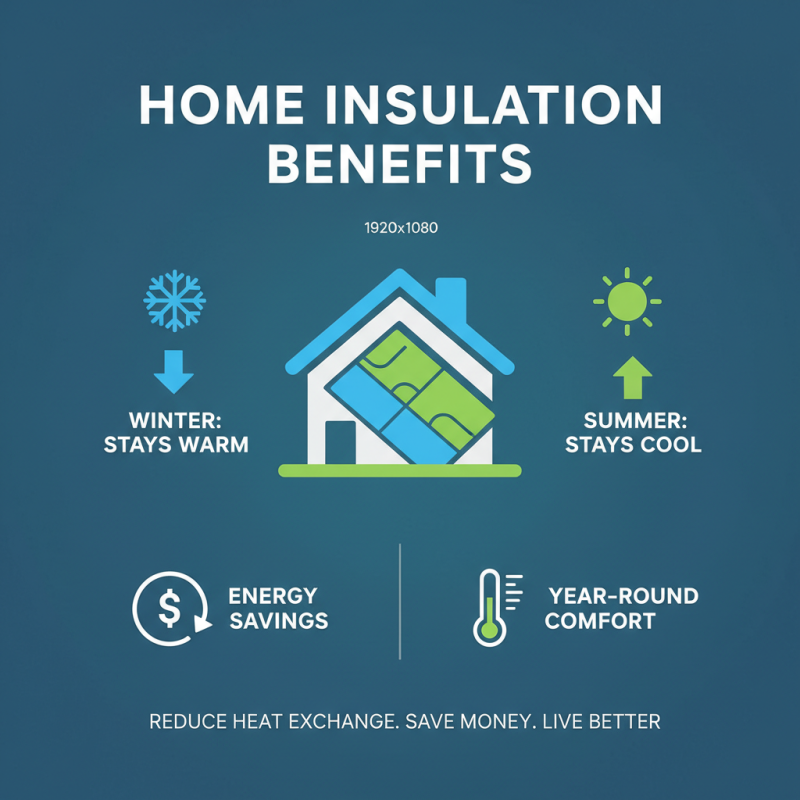
Thermal insulation blankets are essential for any home. They provide significant energy savings by reducing heat exchange between your living space and the outside environment. By using these blankets, you can maintain a comfortable temperature year-round. It’s easier to keep your home warm in winter and cool in summer.
One key benefit of thermal insulation blankets is their versatility. Removable Thermal Insulation Blankets can be placed over windows, doors, or even walls. This flexibility allows homeowners to target specific areas needing extra protection from the elements. They are especially useful in older homes where traditional insulation might be lacking.
Additionally, these blankets can lead to sustainability benefits. Using less energy for heating or cooling reduces your carbon footprint. Over time, this choice can save money on utility bills. However, one must remember that quality matters. Not all blankets are created equal. Researching and choosing the right insulation can be a daunting task. It's important to ensure they are manufactured from effective materials.
When choosing thermal insulation blankets, several factors come into play. The material used significantly affects performance. For instance, fiberglass or reflective materials tend to offer better thermal resistance. According to industry reports, the R-value, which measures insulation effectiveness, is critical. A higher R-value indicates better insulation. Many homeowners overlook this aspect and, as a result, may select blankets that do not meet their needs.
Another important factor is the size and coverage of the blanket. Proper fit ensures that heat loss is minimized. It's essential to measure the areas you plan to cover. For example, Pipe Insulation Blankets should fit snugly around pipes to prevent heat loss during colder months. Studies suggest that inadequate coverage can lead to energy losses of up to 20%.
The installation process also warrants consideration. Some insulation blankets require professional installation, while others are DIY-friendly. The choice can greatly affect both cost and effectiveness. Additionally, homeowners often underestimate the importance of maintenanceand upkeep. Over time, Insulation Materials can degrade, leading to reduced performance. Regular checks can help maintain efficiency.
When it comes to maintaining comfort in your home, thermal insulation blankets play a crucial role. These blankets are designed to reflect heat back into the living space, making them essential during colder months. According to the U.S. Department of Energy, properly insulated homes can save up to 30% on heating and cooling costs. This statistic highlights the importance of investing in quality insulation products.
Several types of thermal insulation blankets are available, focusing on specific needs. Some options are lightweight and easy to install, while others offer superior heat retention. The effectiveness of these blankets is typically measured in R-value. An R-value of at least 4 is recommended for optimal energy efficiency. However, not all blankets meet this standard, making it vital to research before making a purchase.
In addition to energy savings, these blankets can enhance comfort. They can reduce temperature fluctuations in rooms, creating a more stable environment. However, some insulating materials may emit VOCs, which can affect air quality. It’s crucial to choose products with low emissions to safeguard your indoor air. While there are numerous attractive options, you might find that not all of them are right for your space.
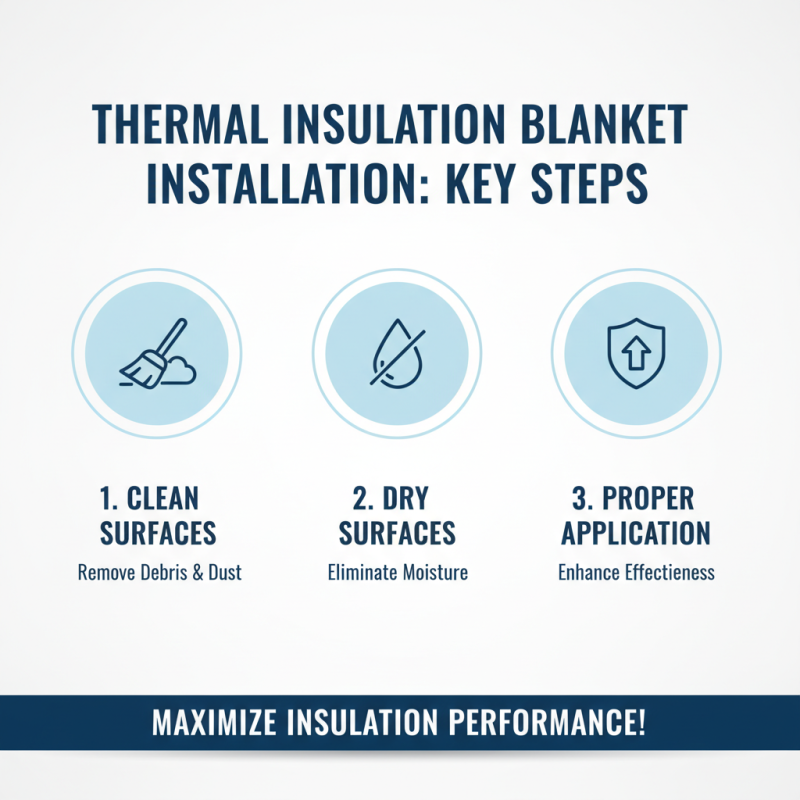
When using thermal insulation blankets, proper installation significantly enhances their effectiveness. Start by ensuring your surfaces are clean and dry. This step reduces potential issues when applying the blankets. Remove any debris, dust, or moisture. This simple act can make a noticeable difference in Insulation Performance.
Consider using high-quality tape to secure the edges of the thermal insulation blankets. This can prevent gaps that allow heat transfer. Additionally, make sure to overlap the blankets slightly. Overlapping helps eliminate cold spots. You may need extra blankets for larger areas. This can be tricky, but it’s worth taking the time to do it right.
Maintain consistent pressure while applying the blankets. Uneven application can lead to areas of poor insulation. Check for air leaks after installation. Use your hand to feel for drafts. If you notice any, consider reinforcing those spots. Remember, perfect installation isn't always realistic. It's okay to reflect on your approach and make adjustments as needed. That way, your home remains cozy with effective thermal insulation blankets.
Proper maintenance of thermal insulation blankets is essential for their longevity. These blankets can drastically reduce energy costs and provide comfort. However, neglect can lead to inefficiency. Regularly check for wear and tear. Look for seams that are fraying or areas that feel thin. Damaged areas can compromise insulation.
Washing thermal insulation blankets requires care. Avoid harsh detergents. Instead, use a gentle cycle with mild soap. High heat can damage the material. Use cold water and low heat for drying. Air drying is preferable. This method prevents shrinkage and maintains effectiveness.
Tips for longevity: Store blankets in a cool, dry place. Avoid folding them tightly, as creasing can reduce their insulating power. If storage space is limited, roll them instead. To refresh your blanket, consider airing it out. This reduces odors and makes it more pleasant to use. A well-maintained blanket can last for years, enhancing comfort and efficiency.
When choosing thermal insulation options for your home, it's essential to compare them effectively. Thermal insulation blankets offer unique benefits. They can be easily installed and removed as needed. Unlike traditional insulation materials, they provide flexibility in application. You can use them in walls, ceilings, or even around pipes. This versatility is appealing to many homeowners.
Consider how thermal insulation blankets stack up against other options. For example, fiberglass insulation requires professional installation and is often a hassle. It can also irritate the skin and lungs. In contrast, Flexible Insulation Blankets are safer and simpler. They are lightweight, making them easier to work with.
Tips: Always measure the area before buying. This helps you avoid over- or under-purchasing. Check for R-value to understand thermal performance. Don't forget to consider your home's specific needs. Each space may require different insulation strategies. Remember, maintaining your insulation is vital for energy efficiency.
| Blanket Type | Material | R-Value | Weight (lbs) | Size (ft) | Price ($) |
|---|---|---|---|---|---|
| Reflective Insulation Blanket | Foil | 15 | 3 | 4 x 8 | 25 |
| Fiberglass Insulation Blanket | Fiberglass | 13 | 4 | 3.5 x 7.5 | 20 |
| Cotton Insulation Blanket | Cotton | 10 | 2 | 4 x 6 | 30 |
| Foam Insulation Blanket | Polyurethane Foam | 12 | 5 | 5 x 10 | 50 |
| Wool Insulation Blanket | Wool | 8 | 3.5 | 4 x 8 | 55 |
| Reflective Bubble Blanket | Bubble Foil | 18 | 4 | 5 x 8 | 28 |
| High-Density Insulation Blanket | Polyethylene | 16 | 6 | 6 x 10 | 70 |
| Reflective Airtight Blanket | Air Cavity Foil | 14 | 3 | 4 x 8 | 27 |
| Recycled Denim Insulation Blanket | Denim | 11 | 5 | 4 x 8 | 40 |
| Soundproofing Insulation Blanket | Acoustic Foam | 9 | 4.5 | 4 x 8 | 45 |
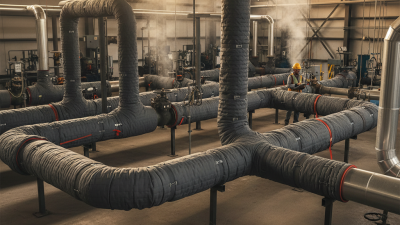
In the rapidly evolving petrochemical industry, the adoption of innovative solutions is crucial for enhancing operational efficiency and safety. One such solution is the use of removable insulation jackets, which offer significant advantages in terms of temperature management and cost-effectiveness. Designed to operate within a broad temperature range of -70°C to 1000°C, these jackets ensure optimal thermal insulation, critical for processes in this high-demand industry.
The thermal conductivity of these jackets is remarkably low, at less than 0.035 W/(m·K) under normal temperatures, which translates to reduced heat loss and improved energy efficiency. Their lightweight construction, with a material density of 100-200 kg/m3 and a thickness of 35mm-50mm, facilitates easy handling and installation, allowing for quick responses to maintenance needs. Moreover, their flame retardant properties ensure safety, with an A grade non-flammable rating, making them an ideal choice for hazardous environments.
Additionally, the durability of removable insulation jackets is a standout feature. With a lifespan exceeding 10 years and robust anti-corrosion properties—resistant to acids, alkalis, water, and oil—these jackets are designed to withstand the rigorous conditions commonly found in petrochemical operations. By integrating such advanced solutions, companies can not only enhance the longevity of their equipment but also contribute to a more sustainable operational model.
: Meditation types include mindfulness, transcendental, and focused attention. Each has unique benefits and practices.
Begin with short sessions. Find a quiet space and focus on your breath. Gradually increase duration.
Yes, many studies support its effectiveness. Regular practice lowers cortisol levels, promoting relaxation.
It's common to struggle with focus. Acknowledge distractions and gently return your attention to breathing.
Aim for daily practice, even if only for a few minutes. Consistency yields better results over time.
Some may experience discomfort or frustration initially. It’s important to reflect on your feelings and adapt.
Yes, children can benefit from meditation. Simple breathing exercises can help them develop focus and calmness.
Regular meditation can enhance sleep quality. It reduces racing thoughts and cultivates relaxation before bedtime.
Many find guided meditation helpful, especially beginners. Vocal instructions can ensure better focus and understanding.
Yes, you can meditate in various settings. Just find a comfortable space where you can relax and focus.
Thermal insulation blankets are specialized materials designed to reduce heat transfer, helping to regulate temperatures within a home. These blankets function by reflecting heat back into the living space, ensuring better energy efficiency and comfort. The key benefits of using thermal insulation blankets include lower energy bills, enhanced comfort in extreme weather conditions, and a reduction in carbon footprint.
When selecting the right thermal insulation blanket, it's essential to consider factors such as material, thickness, and installation requirements. Proper installation is critical for maximizing their effectiveness, and regular maintenance can significantly extend their lifespan. This article also compares thermal insulation blankets to other insulation options, highlighting their unique advantages in home insulation strategies. Overall, thermal insulation blankets are an effective and eco-friendly solution for improving home energy efficiency and maintaining ideal indoor temperatures.