Welcome to JIECHENG



Leave Your Message
Welcome to JIECHENG
Choosing the right Insulation Isolantis pretty important for any homeowner. It really affects how energy-efficient your home is, how comfortable you feel, and your overall living experience. Did you know that, according to the U.S. Department of Energy, getting the right insulation can cut down your energy bills by up to 20%? That’s a huge difference! Now, when it comes to Insulation Materials, there's quite a variety out there. Each type has its perks and downsides—some are easier on the wallet, while others do a better job at keeping the heat where it belongs, inside.
Mark Johnson, who’s an insulation expert at Green Home Solutions, puts it nicely: "Choosing the right Insulation Isolant is key if you want your home to be energy-efficient." His advice really highlights why making an informed choice matters. Your options include fiberglass, foam, cellulose—you name it. The trick is to consider your specific needs and what the climate's like in your area.
Now, a lot of folks tend to overlook how important proper installation is—they think it’s just a quick job. But if you don’t install it right, you might end up with some pretty costly issues down the line. Honestly, in the quest for a comfy home, many people forget to do their homework before making a decision. Before you settle on an Insulation Isolant, take some time to weigh the long-term costs versus what you’re spending upfront. Trust me, making the right choice not only saves you money but also does some good for the environment too.
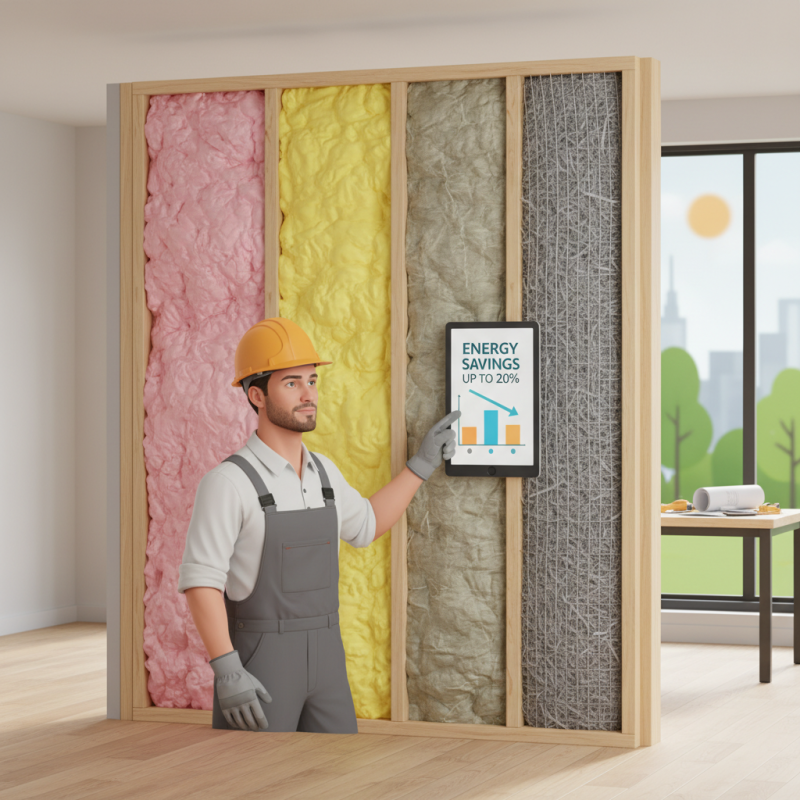
Choosing the right insulation for your home is crucial for energy efficiency. There are various materials available, and understanding their properties is key. First, consider the R-value, which measures thermal resistance. A higher R-value means better Insulation Performance. Next, evaluate the installation process. Some materials are easier to install than others.
Think about the climate in your area as well. For colder regions, denser materials can provide better warmth. In warmer areas, lighter Insulation Solutions may suffice. When considering options, "Insulation Over Insulation" can be an effective strategy. It involves layering different types of insulation to maximize energy savings.
However, don’t overlook potential drawbacks. Some materials may cause moisture buildup, leading to mold. Be sure to check the environmental impact of your choices. Recycling options can also influence your decision. Always weigh the pros and cons. Finding the right balance can be challenging. Conduct proper research to avoid mistakes. Choose wisely to ensure comfort in your home.
| Insulation Material | R-Value | Cost per Sq Ft | Fire Resistance | Moisture Resistance | Environmental Impact |
|---|---|---|---|---|---|
| Fiberglass | 2.9 - 3.8 | $0.40 - $0.70 | Good | Moderate | Recyclable |
| Foam Board | 3.6 - 4.2 | $0.70 - $1.50 | Excellent | Good | Energy Intensive |
| Cellulose | 3.1 - 3.7 | $0.50 - $0.95 | Good | Moderate | Made from Recycled Paper |
| Mineral Wool | 3.1 - 4.0 | $0.80 - $1.20 | Excellent | Excellent | Sustainable |
| Spray Foam | 5.0 - 6.5 | $1.00 - $3.00 | Good | Excellent | Chemical-Based |
R-value is crucial when selecting insulation for your home. It measures the thermal resistance and tells you how well the material insulates. A higher R-value means better insulation performance. For example, in colder climates, you might need R-Values between 38 and 60 to keep your home warm. This can significantly reduce heat loss, cutting energy bills by up to 30%.
Understanding Hot Insulation And Cold Insulationis essential too. Hot Insulation focuses on keeping heat inside during winter, while cold insulation prevents heat entry in summer. Depending on your region, you may need a balance of both. Reports indicate improper insulation can lead to a 20% energy waste annually, showcasing the importance of choosing wisely.
Choosing the right insulation can be overwhelming. Factors like local weather, house structure, and personal preferences play roles. Many homeowners overlook these, potentially increasing costs. Seeking professional advice can clarify specific needs. Remember, not every insulation will suit your space perfectly. Consider insulation type, installation method, and long-term effects on comfort and energy use.
Choosing the right insulation for your home is crucial. Fiberglass, foam, and cellulose each have unique properties. Fiberglass is popular due to its affordability and effectiveness. It's lightweight and resistant to moisture, making it suitable for various climates. However, installation can be messy, and it requires protective gear.
Foam insulation offers excellent thermal resistance. It expands on application, filling gaps effectively. This can lead to air leakage reduction, enhancing energy efficiency. Yet, foam can be pricier and may need professional installation. Remember, not all options suit every space.
Cellulose insulation is made from recycled paper. It is an eco-friendly option with good sound-dampening qualities. However, it can attract pests if not treated properly. It also tends to settle over time, which might decrease its effectiveness.
Tips: Consider your local climate when choosing insulation. Think about installation challenges too. Evaluate your budget cautiously. Each insulation type has its pros and cons, so weigh them carefully. Sometimes, a combination might suit your home best.
When it comes to insulation installation, choosing between DIY or professional help is crucial. The U.S. Department of Energy reports that proper insulation can save homeowners 15% on heating and cooling costs. This encourages many to consider DIY projects. However, insulation types and methods vary. Some may require specialized skills, which can discourage the average homeowner.
DIY insulation can be rewarding and cost-effective. For those who are handy, installing batt or roll insulation may be straightforward. However, mistakes can lead to gaps and thermal bridges. Lack of experience might also result in insufficient coverage. Inspecting local building codes is essential, as regulations differ across regions.
Professional installation ensures higher efficiency. Experts understand proper techniques and can recommend the best materials. Studies reveal that homes with professional insulation see a more significant energy savings, upwards of 30% in some cases. But hiring professionals comes with a cost, often impacting budget considerations.
Tips:
- Evaluate your knowledge before choosing DIY.
- Check for local recycling programs for insulation waste.
- Consider long-term savings versus initial costs when making a decision.
Choosing eco-friendly insulation options can significantly impact both the environment and your home’s energy efficiency. The U.S. Department of Energy reports that proper insulation can reduce heating and cooling costs by 10% to 50%. This statistic highlights the value of making thoughtful choices in insulation materials.
Sustainable insulation materials, like cellulose and sheep's wool, have gained popularity. Cellulose, made from recycled paper, can be up to 20% more effective than fiberglass. It's also treated with natural fire retardants. However, cellulose may settle over time, which could be a drawback if not installed properly.
Another option, sheep's wool, is naturally moisture-wicking and helps regulate indoor humidity. Yet, sourcing from local farms remains essential to make it a truly eco-friendly choice. Both options reflect a desire for greener choices but require careful consideration regarding installation and maintenance. Each material has its pros and cons, revealing the complexity of selecting the ideal Insulation S for your home.
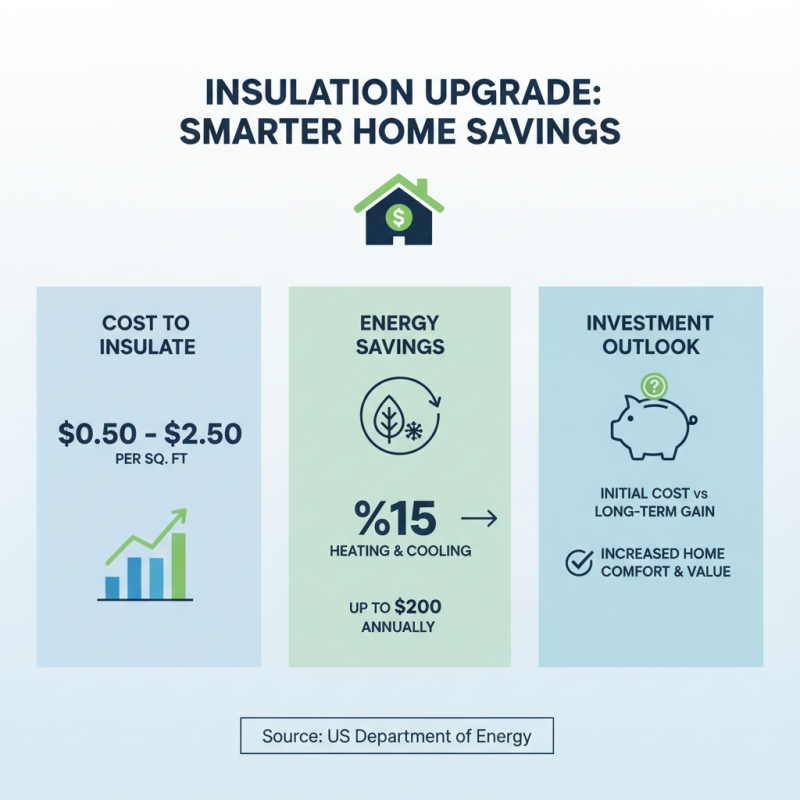
When upgrading insulation, budgeting is critical. The average cost for insulation varies widely, ranging from $0.50 to $2.50 per square foot. According to the U.S. Department of Energy, homeowners can save 15% on heating and cooling costs through proper insulation. This translates to about $200 annually for the average home. However, initial installation costs might make some homeowners hesitate.
Tips: Assess your existing insulation. If it's older than 15 years, consider upgrading. Research local rebates or tax credits that could offset costs.
It's essential to evaluate your specific needs. Different materials have varying R-values and price points. Spray foam can be effective, yet may come at a premium. Fiberglass batt insulation is often cheaper but might not provide the same efficiency. Balancing cost with effectiveness is key.
Tips: Always get multiple quotes. Prices can differ based on local labor and materials. Prioritize energy efficiency to maximize long-term savings, even if upfront costs are higher.
When considering insulation for your home, local climate plays a crucial role. Different regions experience varying temperatures and humidity levels. These factors directly influence the type of insulation materials that are most effective. For example, homes in colder climates need insulation that retains heat. In contrast, warmer regions benefit from materials that allow for cooling.
The choice of insulation should reflect regional needs. In areas with high humidity, using moisture-resistant materials can prevent mold growth. Similarly, homes in areas prone to extreme temperatures require insulation that balances thermal resistance. For instance, 24 Insulation might work well in moderate climates but could be inefficient in areas with more severe weather. Understanding local conditions is vital for effective insulation.
There’s no one-size-fits-all solution. What works in one location may fail in another. Homeowners often overlook these details, focusing instead on aesthetics or cost. It's essential to reflect on specific needs and characteristics of your environment. Making informed choices can truly enhance a home's comfort and energy efficiency.
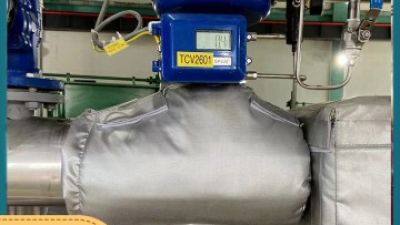
In today's world, enhancing energy efficiency is paramount for both homes and businesses. Customizable thermal insulation solutions have emerged as vital components in achieving significant energy savings and reducing carbon footprints. With a temperature range of -70°C to 1000°C, these advanced materials provide unparalleled performance even in extreme conditions. Their thermal conductivity, which is less than 0.035 W/(m·k) at normal temperatures, ensures that homes and commercial buildings remain energy-efficient year-round.
The construction of these insulation materials features a density range of 100-200 kg/m3 and a thickness between 35mm and 50mm, allowing for flexibility in application across various structures. Their flame retardant performance is classified as A grade non-flammable, ensuring that safety is a top priority. Moreover, the anti-corrosion properties—encompassing acid and alkali resistance, as well as water and oil resistance—add to their durability, which boasts a lifespan of over 10 years. According to industry reports, implementing customizable thermal insulation can lead to a reduction in energy consumption by as much as 25%, making it an essential investment for efficiency-minded property owners.
As energy costs continue to rise, the demand for innovative insulation solutions will undoubtedly increase. Customizable thermal insulation not only serves as a barrier against heat loss or gain but also enhances the overall comfort and sustainability of living and working environments. In a time when reducing environmental impact is crucial, such insulation solutions stand out as both a practical and responsible choice for future developments.
: The article aims to inform readers about a specific topic comprehensively.
The intended audience includes individuals interested in gaining knowledge about the topic.
The topic addresses current trends and issues affecting many people today.
Challenges include misunderstandings and the lack of resources on the topic.
Yes, many concepts can help improve daily decision-making and problem-solving.
Yes, several misconceptions can lead to confusion around the topic.
Readers can use tips and strategies shared in the article in various situations.
Awareness and understanding are crucial for navigating the topic effectively.
Absolutely, the article encourages continuous learning and reflection on personal experiences.
Explore additional resources, engage in discussions, and keep an open mind.
When choosing the best insulation isolant for your home, several factors come into play. It's essential to consider the R-value, which measures thermal resistance, as it directly impacts the efficiency of your insulation choices. Comparing options such as fiberglass, foam, and cellulose can help determine which material best suits your needs. Additionally, assessing whether to tackle installation as a DIY project or hire professional assistance is crucial for a successful outcome.
Eco-friendly insulation options are also worth evaluating for those aiming for sustainable living. Furthermore, conducting a cost analysis can help you budget effectively for insulation upgrades while considering local climate conditions to tailor your insulation strategy to regional needs. By taking these factors into account, homeowners can select the most effective insulation isolant to enhance comfort and energy efficiency in their residences.